
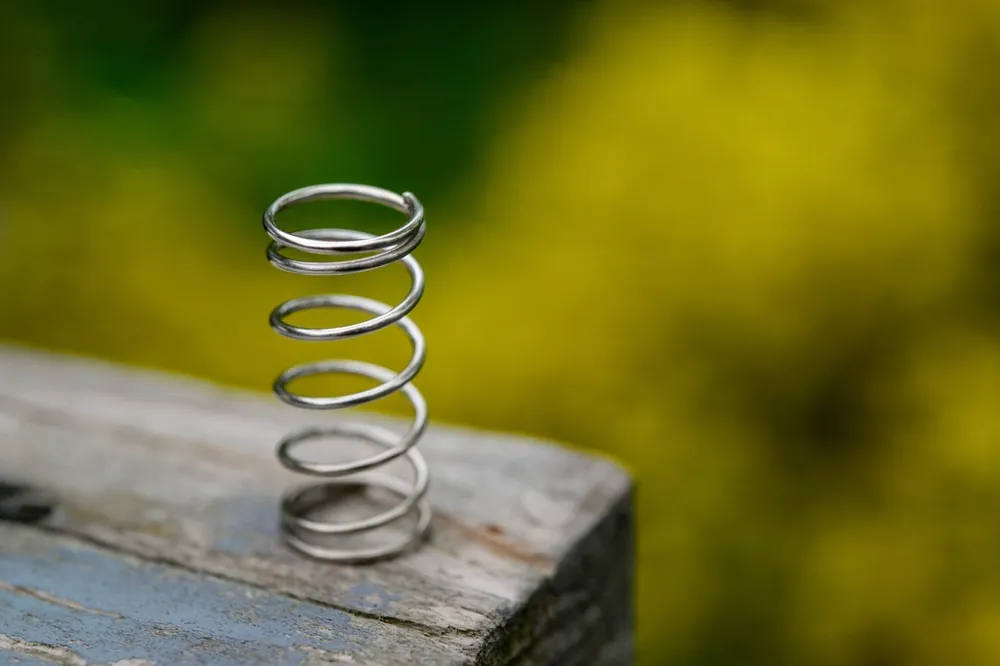
Garage Door Spring Repair
Snapped torsion or extension springs replaced and sized to your door's real weight.
More on Garage Door Spring Repair →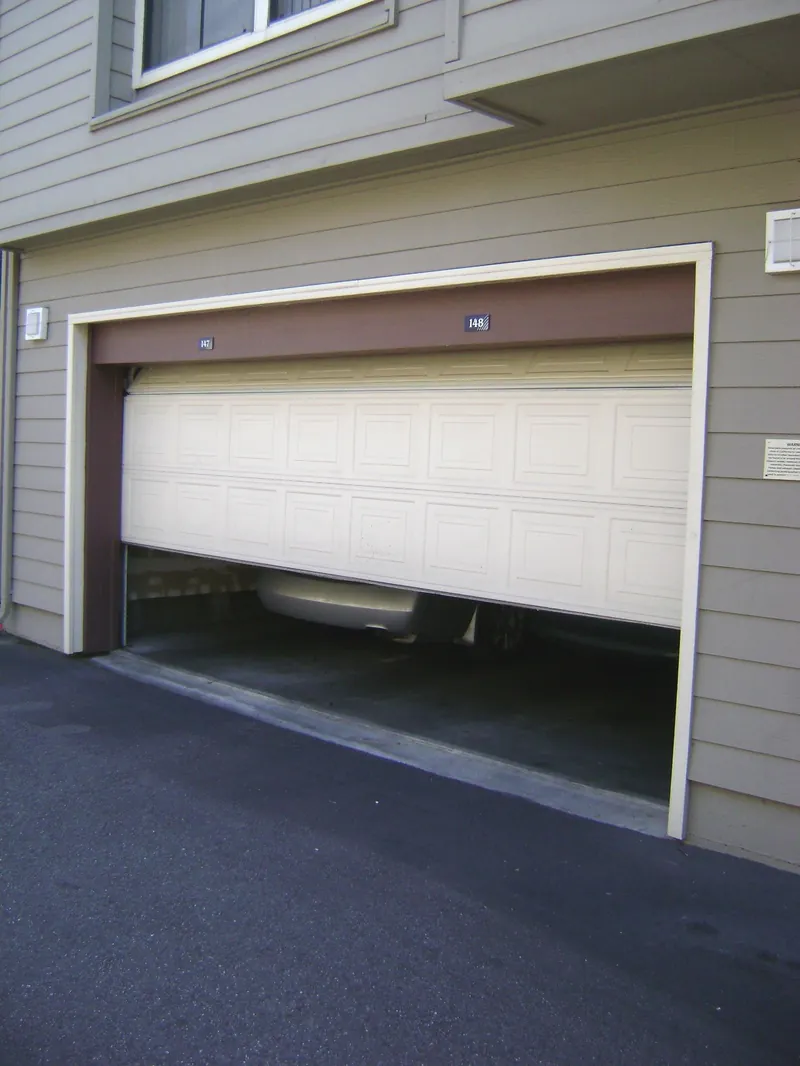
Openers that reverse, hum, stall or ignore the remote, traced to the real cause: sensors, travel limits, the drive, the logic board, or a door that is out of balance. Any brand, anywhere in Thousand Oaks.
Most opener trouble falls into a short list, and the symptom points to the cause. Start here before you buy a new unit.
Usually the photo eyes. The opener checks them on every close, and a dirty or bumped eye sends it back up.
Often a broken spring rather than the motor. Look at the springs before pressing the button again.
The most serious one. Per CPSC, take the opener out of use until the force or sensors are corrected.
No backup battery, or a worn one. California has required battery backup on new openers since 2019.
Travel limits or force settings drifted, or the door now binds somewhere in its track.
A worn gear, trolley or chain. Usually repairable if the rest of the unit is sound.
An opener only steers. If the springs are tired or a roller binds, a new circuit board won't fix anything, so we release the door and check it by hand first. Then we work through the photo eyes, travel limits, force settings, trolley, drive and logic board. You get a written price before any part goes in, and a straight answer when a replacement makes more sense than another repair.
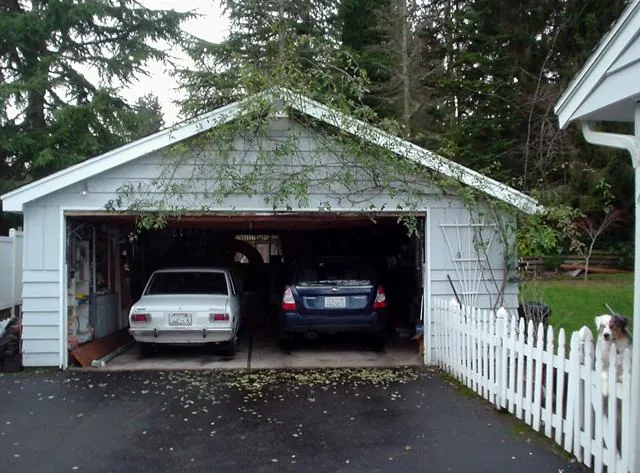
Because California makes anyone servicing an opener check it, and federal rules set the standard it must meet.
Because many garages here are older than the safety rules that now apply to openers. Federal entrapment rules cover openers built from January 1, 1993, when a second safety device such as photo eyes became mandatory, and California added battery backup on July 1, 2019. With the 1970s the biggest building decade in Thousand Oaks, plenty of garages have had several openers come and go, and some still run an old one. On every repair we test reversal against a rigid 2-inch object, as California servicing law requires, and tag a unit that fails instead of leaving it running. A replacement door may not be hooked up to it either.
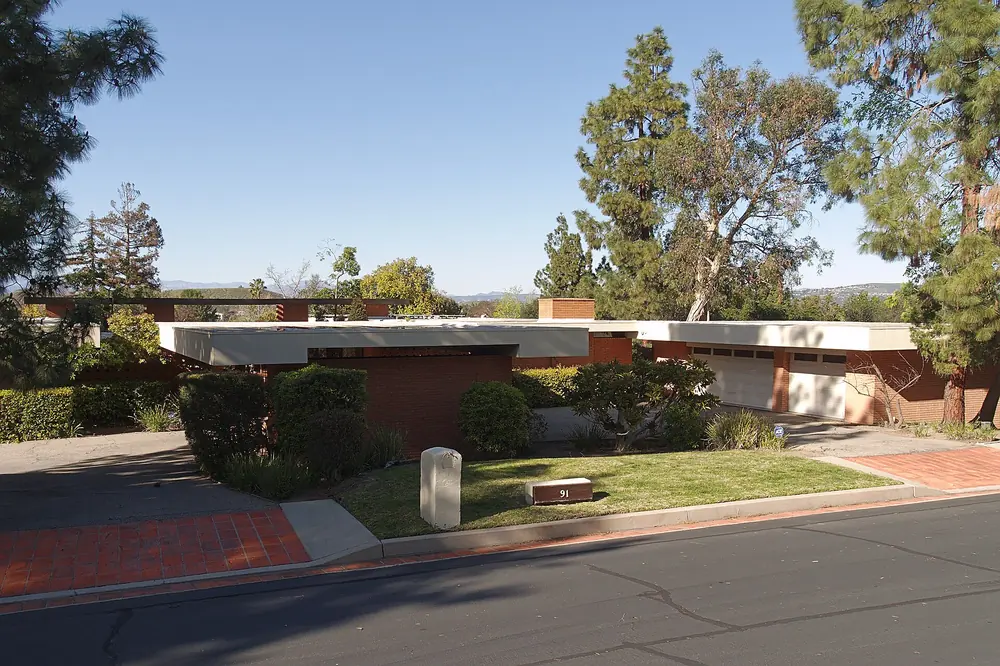
Tell us the brand if you know it, what the door does, and whether the remote and wall button behave differently.
We release the door, check its balance by hand, then test sensors, limits and the drive, and quote in writing.
Typical fixes: realigned photo eyes, a gear or trolley, a logic board, a new battery, or reset limits.
Several full cycles, the photo-eye test and the 2-inch reversal test before we call it finished.





If the opener is fine and the door is the problem, these are the pages to read next.
Snapped torsion or extension springs replaced and sized to your door's real weight.
More on Garage Door Spring Repair →Reversing, humming or dead openers traced to sensors, limits, drives or boards.
More on Garage Door Opener Repair →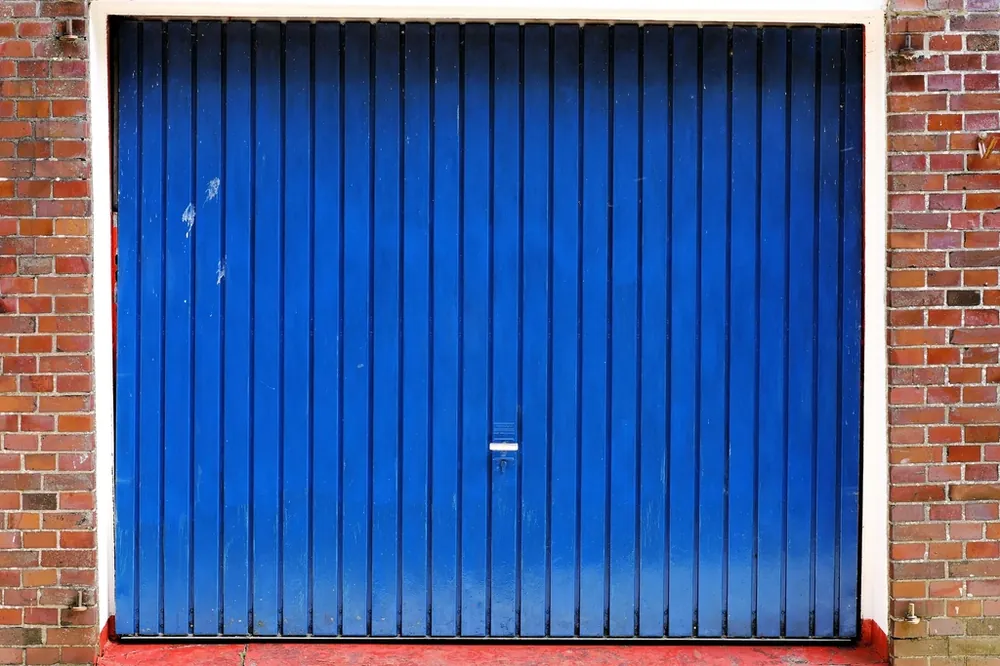
Snapped cables, doors off their track, worn rollers and bent track put right.
More on Garage Door Cable Repair →Chain, belt, screw and wall-mount openers with battery backup, set up and tested.
More on Garage Door Opener Installation →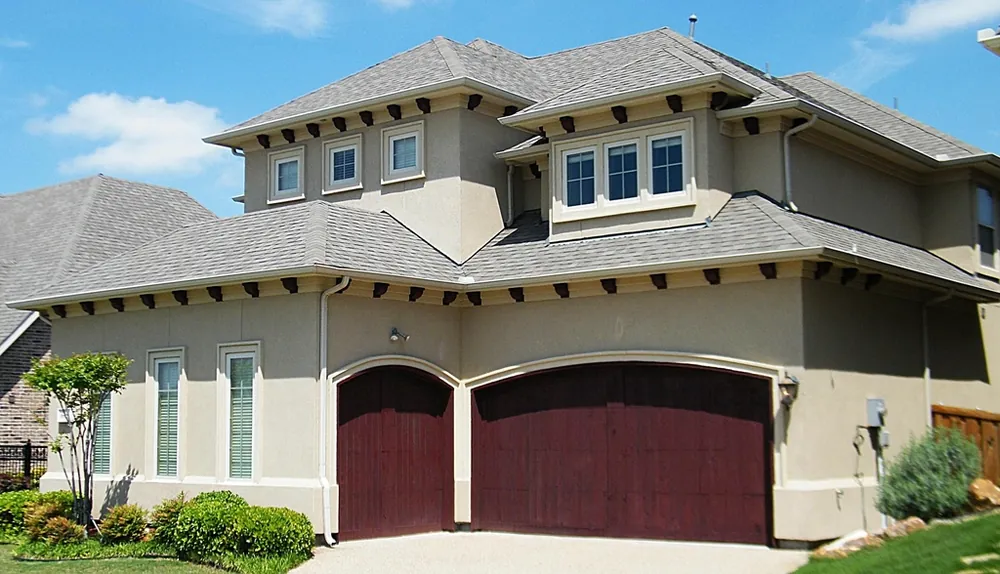
New sectional doors measured on site, with springs, track and seals matched.
More on Garage Door Installation →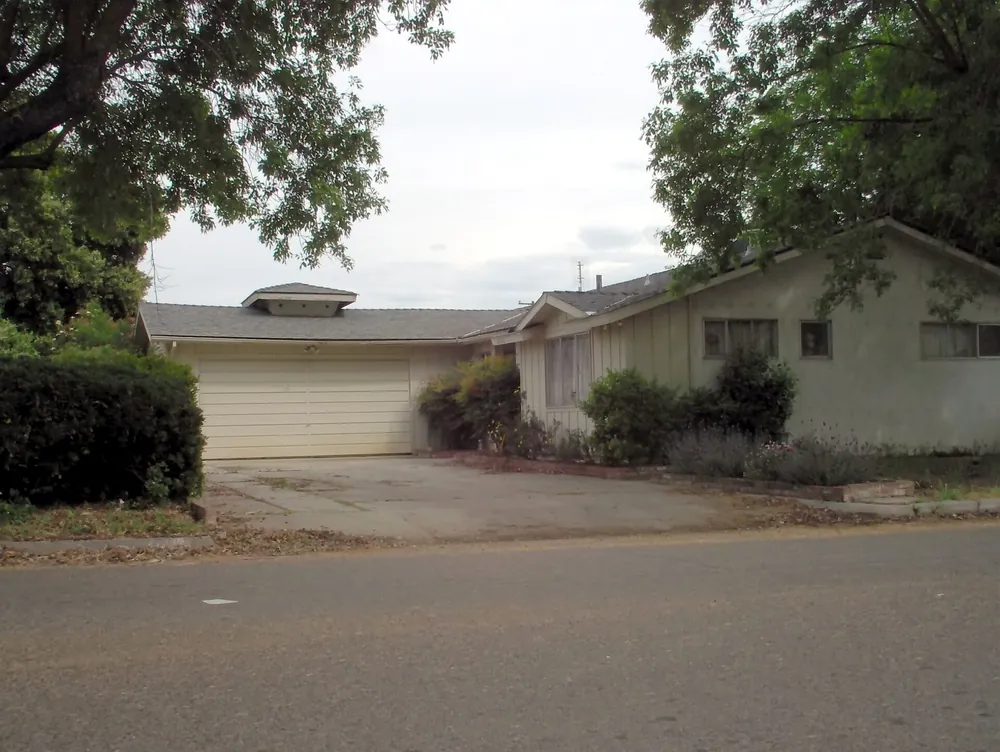
Tune-ups, safety tests, and seals fitted to the 1/8 inch ember-gap rule.
More on Garage Door Maintenance →